A blog of ideas and improvements for Tormach CNC machines.
Articles |
PathPilot Plugins |
Fusion Plugins |
About |
tormachtips@gmail.com
WebPilot |
Spindle Load Meter |
LED Stack Light |
LED Axis Indicator |
PathPendant |
GamePendant
|
WORN END MILL
COMPARISON |
|||||
|
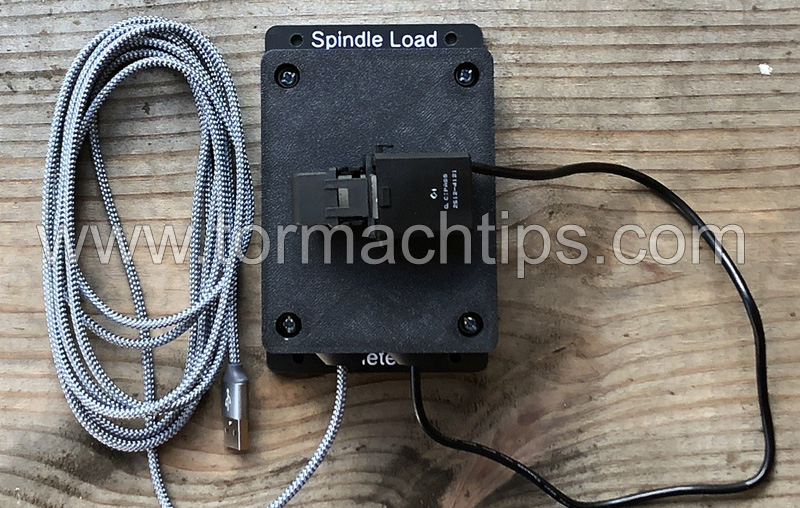
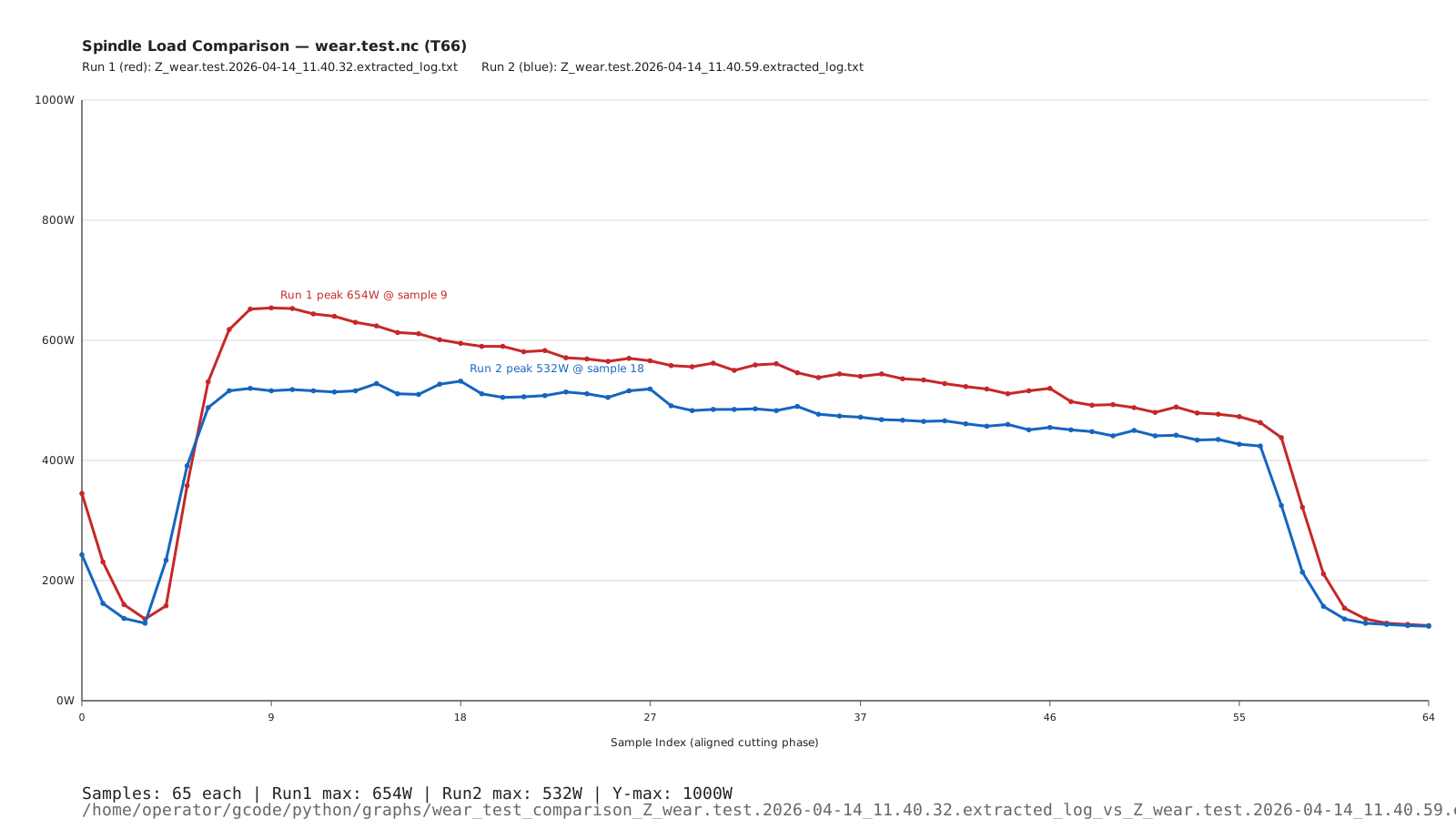
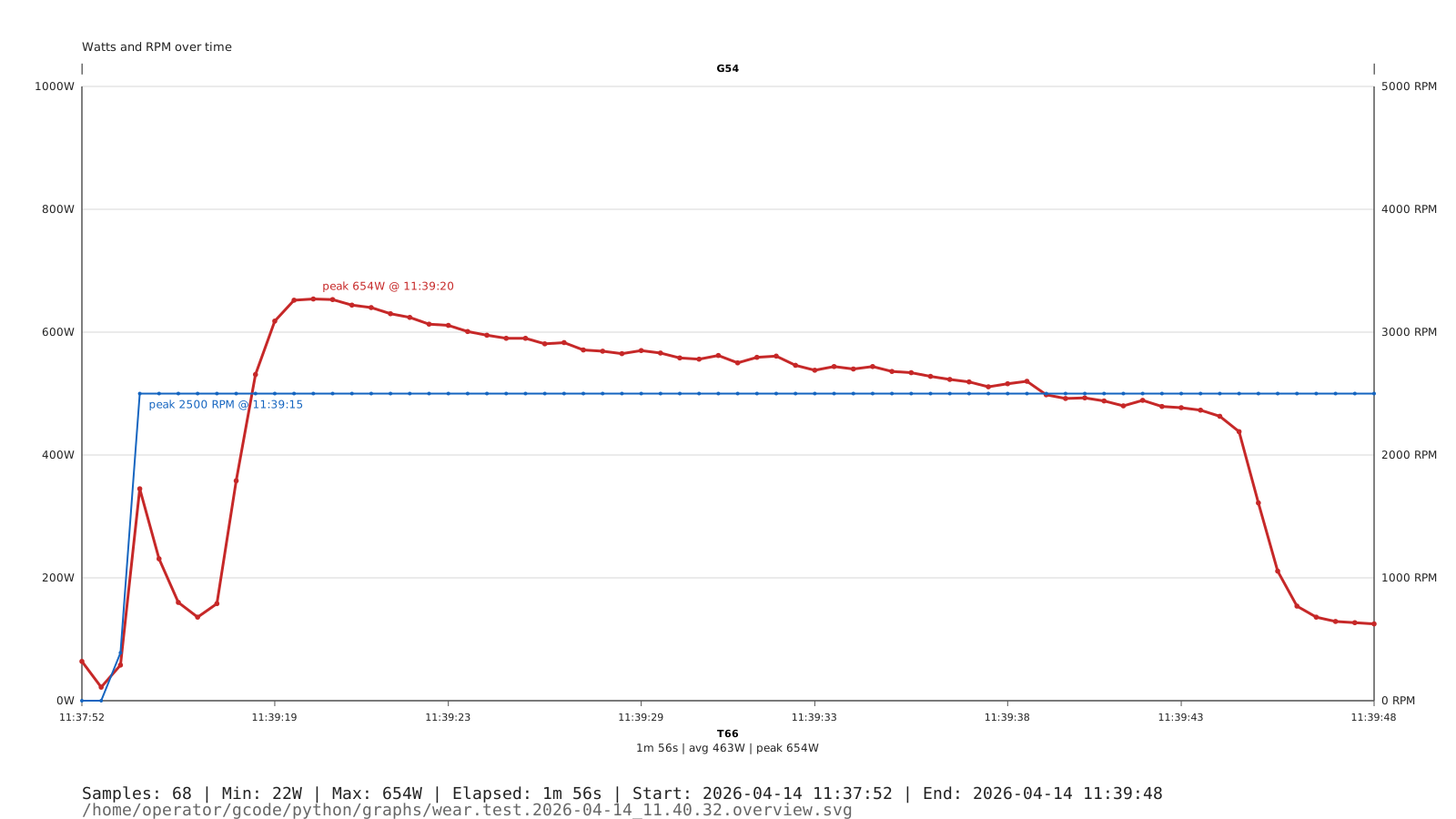
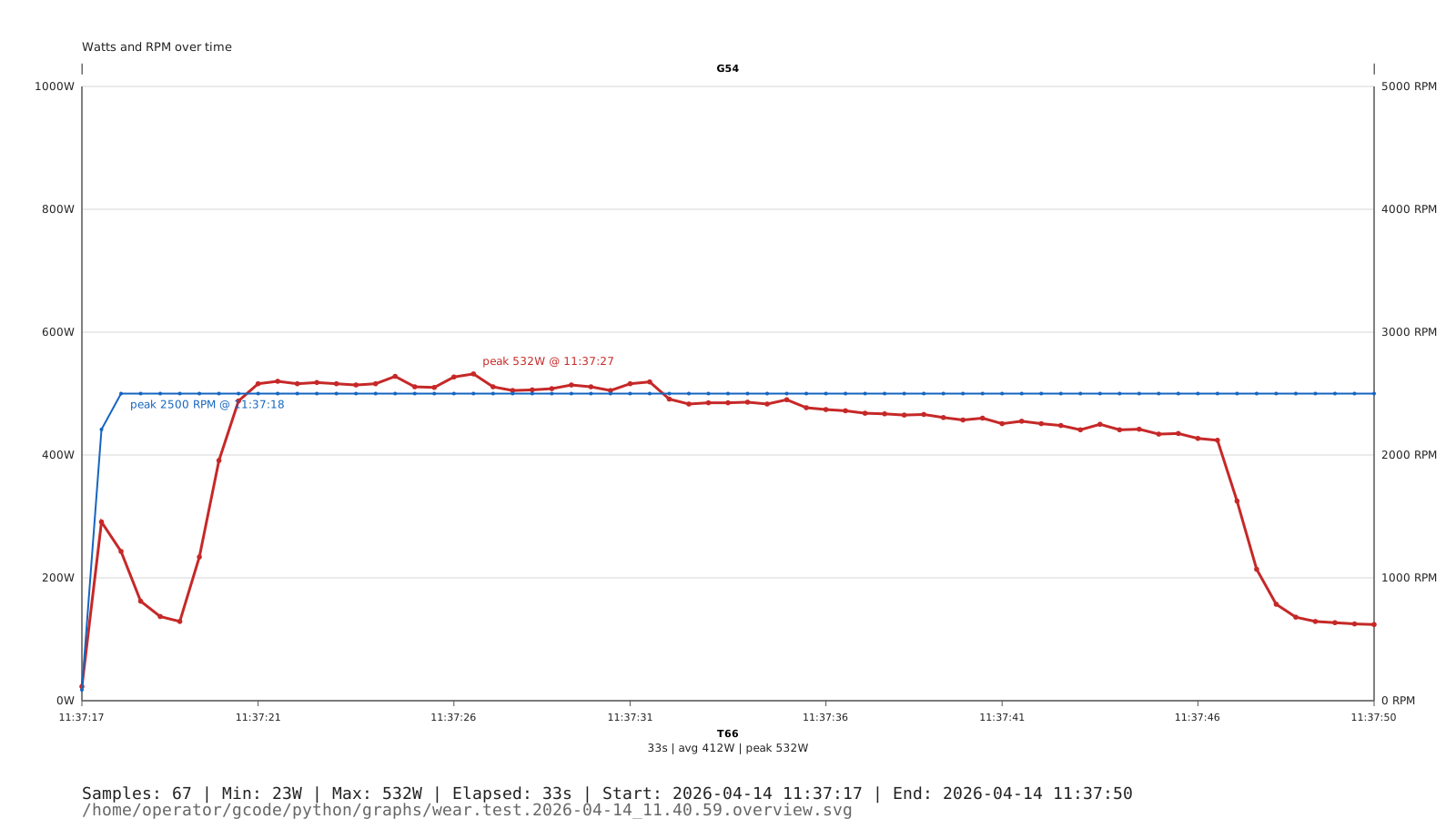
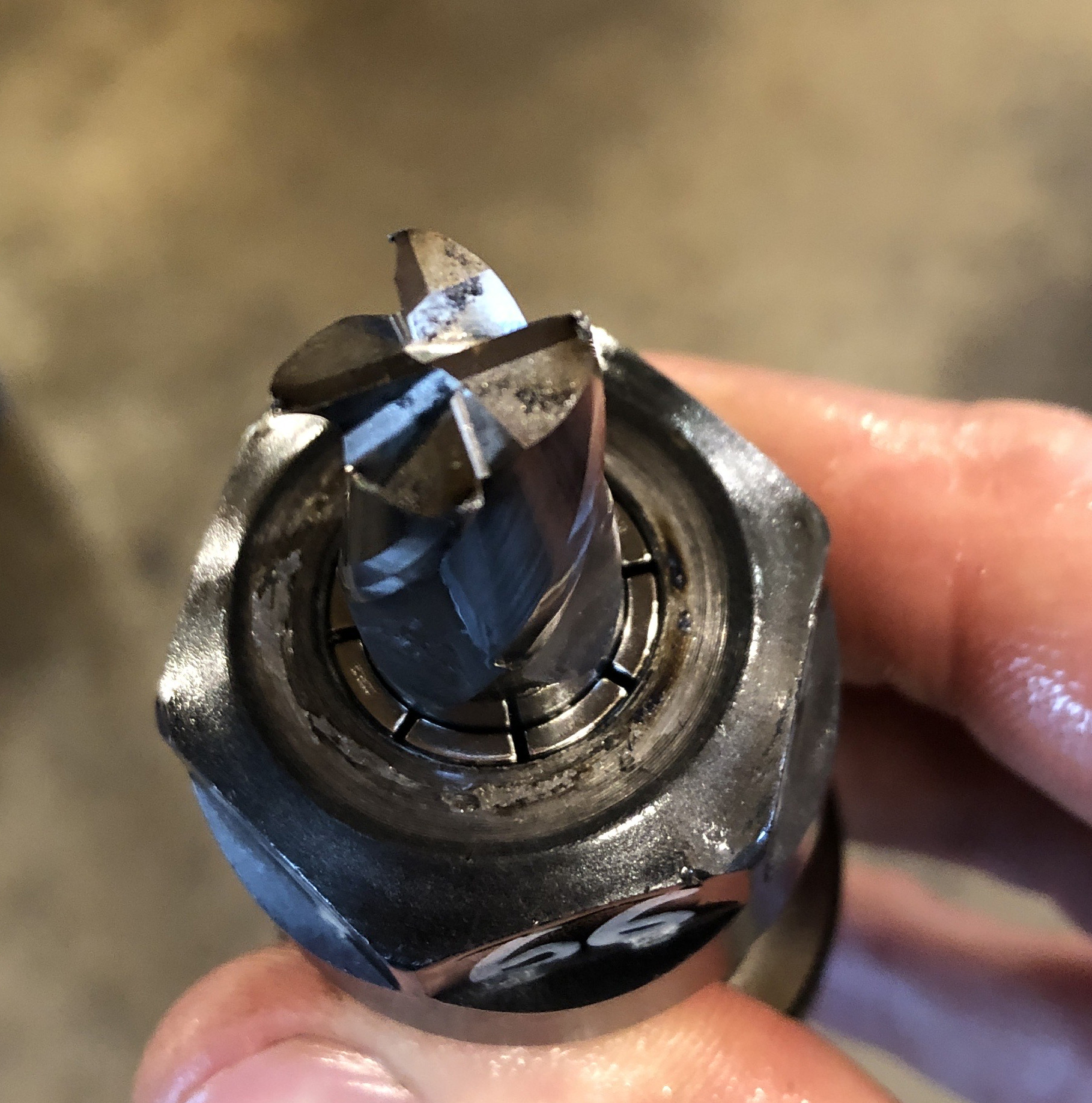
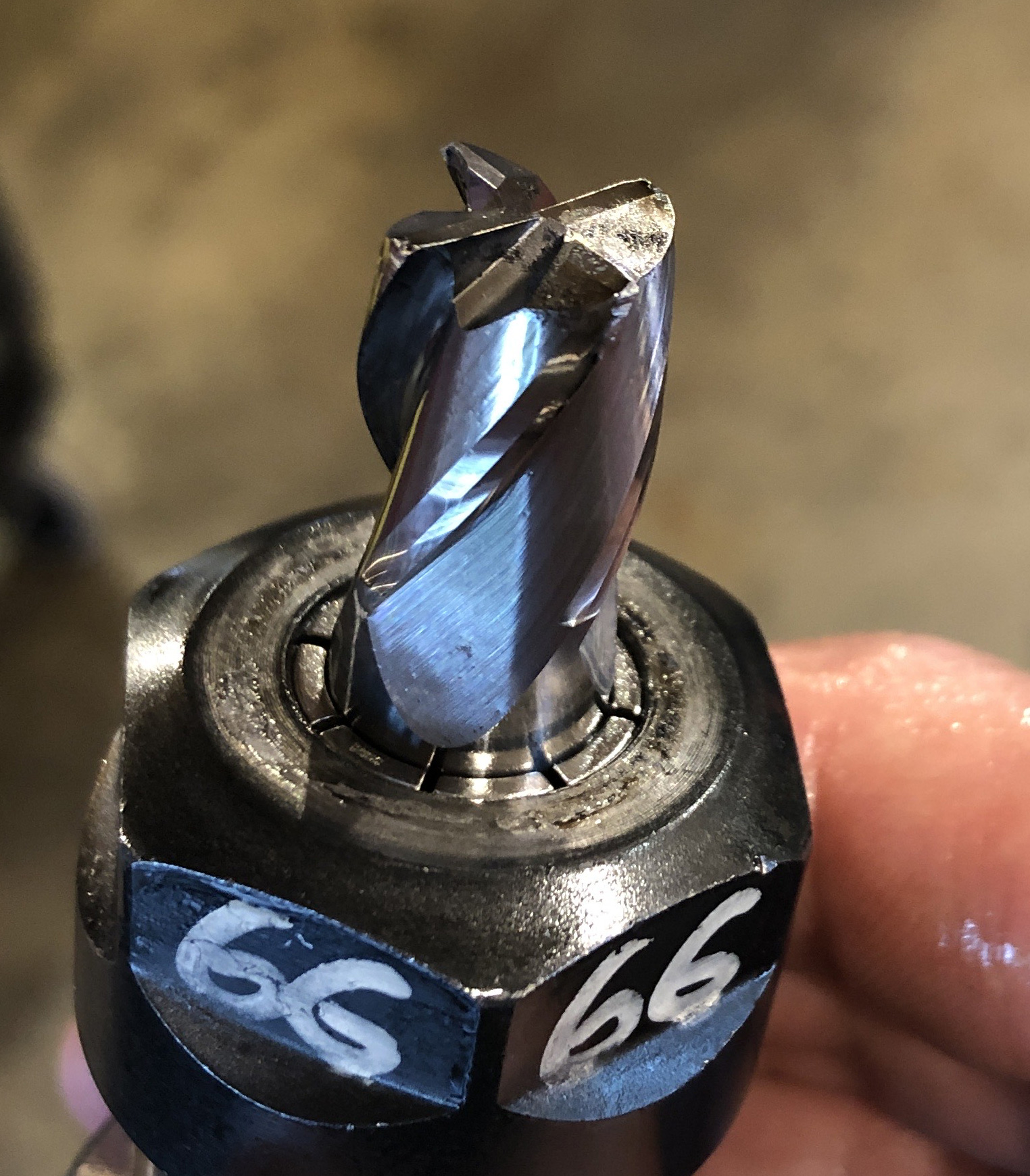
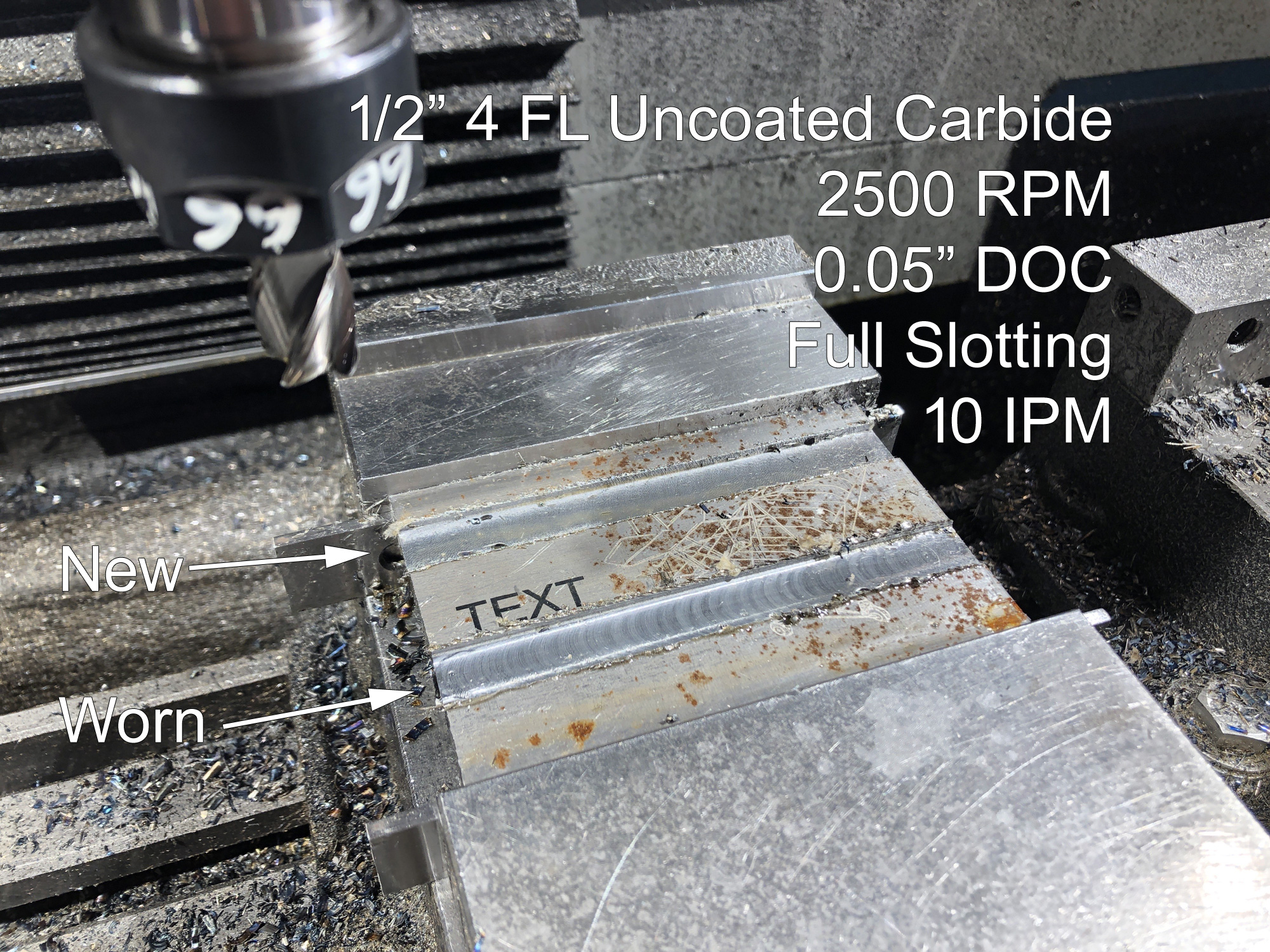
Using two otherwise identical end mills, one new and one heavily worn, the Load Meter captured spindle load throughout each pass while the graphing utility made the results easy to compare. The difference is immediate and obvious. The worn tool pulled higher spindle load through nearly the entire cut, giving a clear, measurable picture of increased cutting effort as tool condition declines. Instead of relying on guesswork, sound, or surface finish alone, the Load Meter gives you a direct view into what the spindle is actually working against. That means better insight into tool wear, easier process comparison, and more confidence when deciding whether a cutter is still doing its job or costing you performance. Test parameters:
|